

Factors That Bring People to Consider Braces
Many people eventually reach a point where they begin thinking about improving the appearance, function, or overall health of their smiles. While some people have considered orthodontic treatment for years, others may only start exploring their options after noticing a particular concern. Changes in confidence, shifting teeth, bite issues, and recommendations from dental professionals can all influence this decision.
The reasons for considering orthodontic care are often personal. Someone may want to feel more comfortable smiling in photographs, while another person may be concerned about how crowded teeth affect brushing and flossing. Understanding the factors that commonly lead people to explore treatment can make the decision feel more informed and manageable.
Improve Smile Appearance
One of the most common motivations for orthodontic treatment is a desire for a straighter, more balanced smile. Teeth that overlap, rotate, or appear uneven can affect how someone feels when smiling or speaking. Although appearance is not the only reason to pursue treatment, feeling more confident about a smile can be an important consideration.
Some people become interested in braces after noticing that their teeth do not look as aligned as they would like. Others may have lived with crooked teeth for years without considering treatment until a particular event or life change makes their smile more noticeable to them.
Social experiences can also influence how people perceive their smiles. According to Forbes Health, a survey found that among respondents who experienced social media pressure to change their smiles, twenty-six percent said they had considered orthodontic treatment through a dentist.
Address Crowded Teeth
Crowding occurs when there is not enough room for teeth to align comfortably within the available space. Teeth may overlap or sit at unusual angles, making the smile appear uneven. Some people become interested in orthodontic treatment after noticing these changes themselves, while others learn about the issue during a dental examination.
Crowded teeth can also make daily oral hygiene more challenging. When teeth overlap, certain areas may be harder to reach with a toothbrush or floss. Exploring orthodontic care can therefore be about more than appearance. Creating a more orderly alignment may help make regular dental care easier and support better long-term oral hygiene habits.
The effects of crowding can vary considerably from person to person. Some individuals may have mild overlapping that primarily concerns them cosmetically, while others may experience more significant alignment issues. An orthodontic professional can examine the position of the teeth and determine whether treatment could improve their arrangement.
Correct Bite Concerns
The way the upper and lower teeth meet can affect more than the appearance of a smile. An uneven bite may contribute to difficulty chewing, unwanted pressure, or discomfort during normal jaw movement. People who notice these concerns may be encouraged to speak with a dental or orthodontic professional about potential treatment.
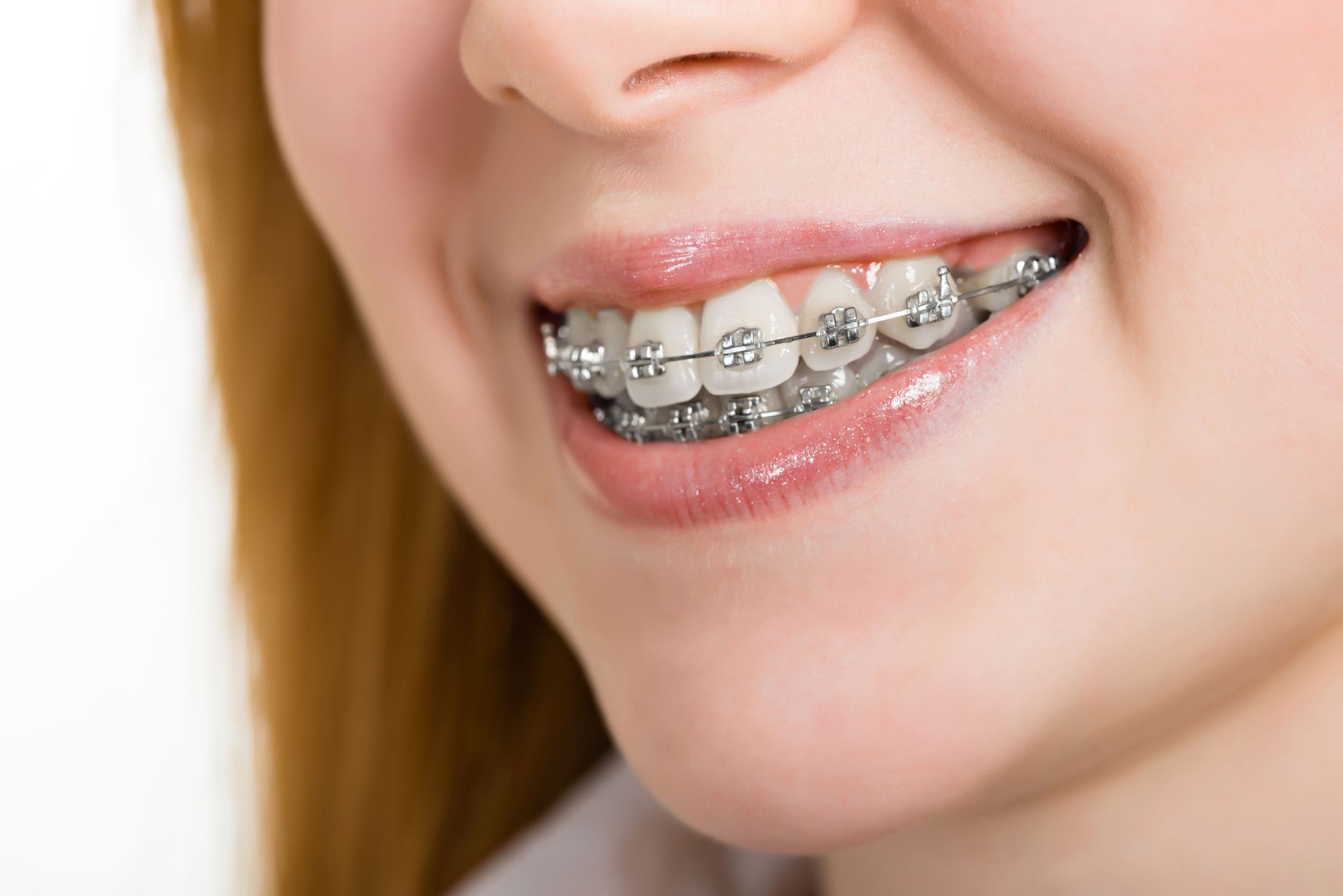
Bite concerns can take several forms, including teeth that extend too far forward, teeth that sit behind their expected position, or areas where the upper and lower teeth do not meet comfortably. Braces can be part of an orthodontic treatment plan designed to gradually guide teeth toward a more functional relationship.
A person may not always recognize a bite problem on their own. Certain issues become apparent during dental examinations, particularly when a professional evaluates how the teeth come together. A recommendation for an orthodontic consultation can provide useful information even when a person has not previously noticed a problem.
Addressing bite concerns may also contribute to a more comfortable everyday experience. Eating, speaking, and maintaining normal oral habits can be affected by the way teeth meet. An individualized treatment plan can focus on both the appearance of the smile and the functional relationship between the teeth.
Respond to Changing Teeth
Teeth can shift over time, even when they were previously well aligned. Changes may become noticeable after earlier orthodontic treatment, as a result of natural development, or because of other changes within the mouth. A person who once felt satisfied with their smile may eventually notice movement that prompts them to consider treatment again.
These changes do not necessarily happen suddenly. Someone may gradually notice that a tooth looks more rotated, a space has developed, or previously straight teeth no longer appear as aligned. Paying attention to these changes and discussing them with a professional can help determine whether orthodontic care is appropriate.
Previous orthodontic treatment does not necessarily mean alignment will remain unchanged forever. Teeth can naturally move, which is why retention and continued dental care are important parts of maintaining an orthodontic result. Someone who notices changes after completing treatment can discuss those changes with an orthodontic provider.
Even people who have never received orthodontic treatment may eventually notice changes in their smiles. Normal growth, dental development, and other oral changes can influence alignment.
Boost Personal Confidence
A person's feelings about their smile can influence how comfortable they are in social and professional settings. Some individuals may avoid smiling in photographs, cover their mouths while laughing, or feel self-conscious when meeting new people. Wanting to feel more relaxed and confident can become a meaningful reason to explore orthodontic options.
Confidence is highly individual, and orthodontic treatment is not about meeting a universal definition of an attractive smile. Instead, treatment may help someone address a feature that has personally bothered them. Braces may be considered when a person believes improving alignment could help them feel more comfortable expressing themselves.
The emotional side of orthodontic treatment should not be dismissed simply because alignment can also have functional considerations. Feeling comfortable with one's appearance can influence everyday interactions, photographs, conversations, and willingness to smile. For some people, that personal improvement can be an important part of the decision-making process.
At the same time, people should choose treatment for themselves rather than feeling obligated to change their appearance because of social expectations. A professional consultation can provide objective information while allowing the individual to decide whether treatment aligns with their own priorities.
Follow Professional Recommendations
Sometimes, the decision to pursue orthodontic treatment begins with a recommendation rather than a personal concern. A dentist may notice alignment, spacing, or bite characteristics during a routine examination and suggest an orthodontic evaluation. This does not automatically mean treatment is necessary, but it can provide an opportunity to learn more about available options.
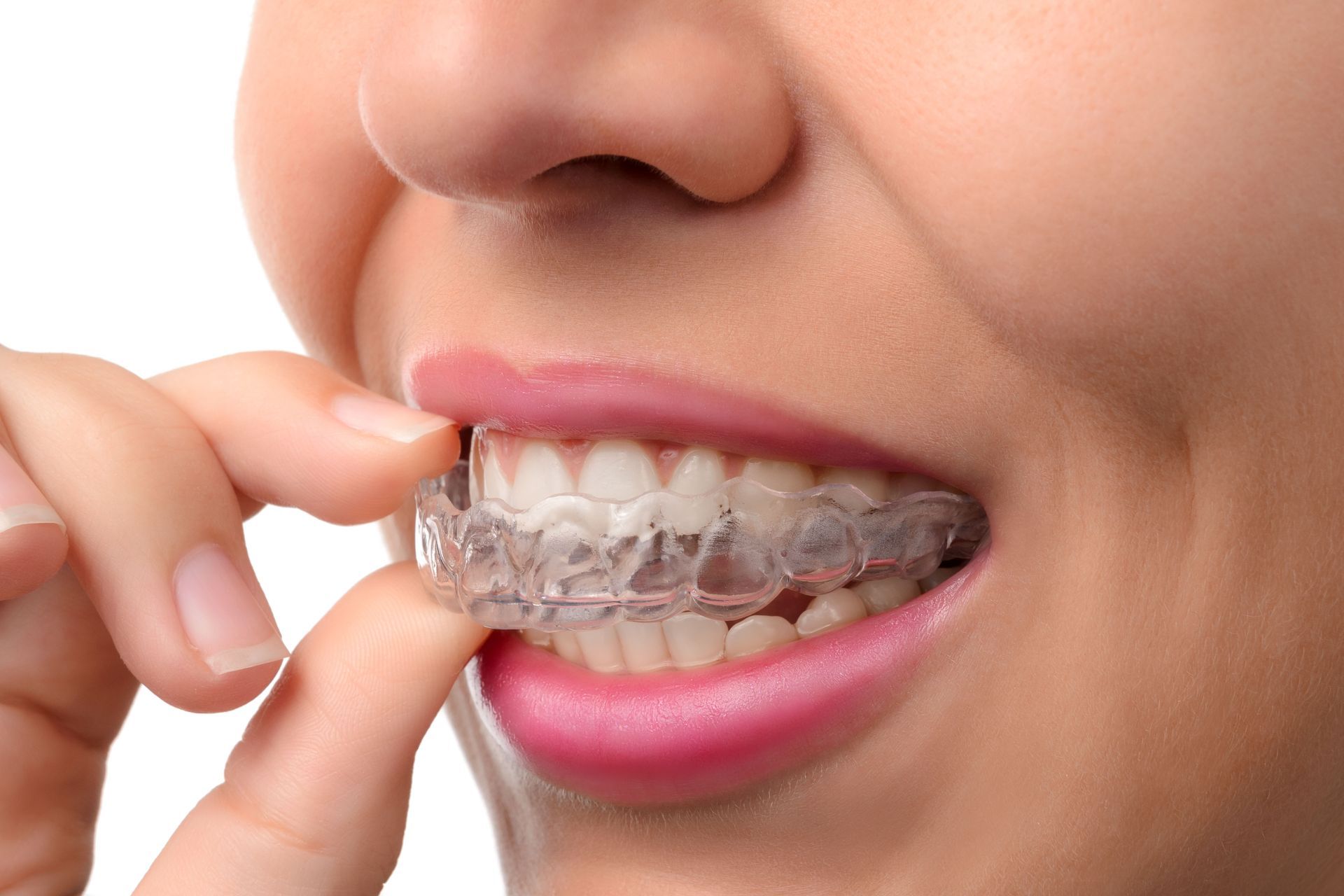
An orthodontic consultation can help clarify whether treatment could benefit a person's smile or oral function. During an evaluation, a professional can consider alignment, bite relationships, spacing, and other factors before recommending an appropriate approach. Braces are one possible treatment option, but the best choice depends on the individual's needs and circumstances.
A recommendation can also help someone understand concerns that may not be immediately visible. Dental professionals are trained to evaluate the relationship between teeth and the surrounding structures, allowing them to identify potential issues that a person might overlook at home.
Asking questions during a consultation can make the process easier to understand. Patients can discuss their concerns, learn about potential treatment approaches, ask how alignment may affect oral health, and understand what maintaining the results could involve.
Ultimately, deciding to pursue orthodontic treatment is a personal choice that should be based on informed guidance rather than outside pressure alone. Whether the motivation involves appearance, oral hygiene, bite function, changing alignment, or confidence, a professional evaluation can help clarify the available options. For anyone ready to explore whether orthodontic treatment fits their goals, contact Cable Orthodontics to take the next step toward a healthier, more confident smile.


Share On: