
When to Bring Your Child to a Local Orthodontist
Navigating the milestones of childhood development involves a continuous series of healthcare assessments, from pediatric checkups to routine vision screenings. Among these critical health evaluations, the monitoring of a child's dental progression plays a vital role in ensuring long-term systemic wellness and structural harmony. Many parents mistakenly believe that specialized orthodontic evaluations should be delayed until the teenage years when all permanent teeth have fully emerged. However, structural developments within the jawbones and the positioning of emerging teeth often require much earlier attention to achieve optimal alignment. Waiting too long can result in missed windows of biological growth, turning what could have been a straightforward guidance process into a complex surgical or extractive endeavor. By adopting a proactive stance toward dental development, families can intercept potential structural abnormalities before they compromise oral functions or facial symmetry. Understanding the specific signals that point to the necessity of an expert consultation empowers parents to make timely decisions for the well-being of their growing children. Ultimately, establishing a connection with a qualified professional ensures that a child's smile progresses along a healthy, functional path.
Assessment of Developmental Jaw Alignment
The fundamental foundation of a beautiful and functional smile resides within the structural relationships of the upper and lower jawbones. During early childhood, the facial skeleton is highly malleable, responding dynamically to directional growth patterns and external muscular forces. A specialized local orthodontist possess the advanced training required to evaluate whether the jaws are expanding at complementary rates or if a structural disparity is beginning to manifest. For instance, when the upper jaw is too narrow, it can cause the lower jaw to shift sideways during chewing, which leads to asymmetrical facial development and uneven muscular strain. Conversely, an overbite or underbite can put excessive stress on the jaw joints, causing discomfort during meals and potentially leading to chronic structural issues down the road. Identifying these skeletal imbalances while the facial bones are still expanding allows specialized practitioners to guide bone development naturally, utilizing gentle orthopedic appliances to create a harmonious skeletal baseline before growth tapers off.
Monitoring of Permanent Tooth Eruption
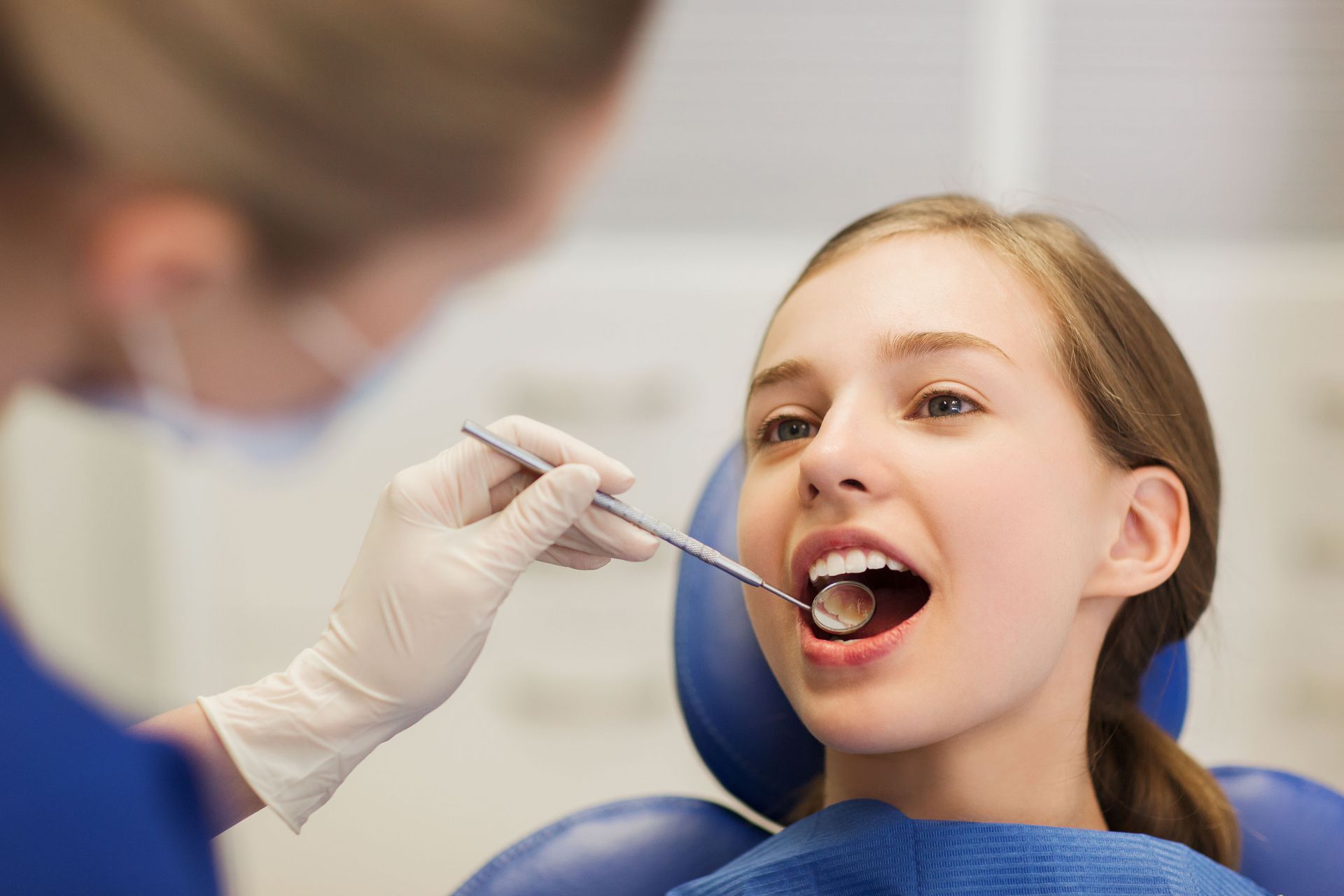
The transition from primary teeth to adult dentition is a complex biological process that requires precise spatial coordination within the oral cavity. As adult teeth begin their journey beneath the surface, they rely on the roots of primary teeth to guide them into their proper positions. When primary teeth are lost prematurely due to decay or accidental trauma, adjacent teeth frequently drift into the open areas, effectively blocking the pathways for the underlying permanent teeth. Seeking a comprehensive evaluation from a trusted local orthodontist ensures that these eruptive patterns are carefully mapped using specialized diagnostic imagery. According to the American Association of Orthodontists, the ideal age for bringing a child to the orthodontist is by age seven, as this is the age when they start to lose their baby teeth. Initiating an expert assessment at this exact milestone allows practitioners to detect hidden issues, such as impacted teeth trapped beneath the bone or adult teeth developing in entirely incorrect locations.
Correction of Harmful Oral Habits
Childhood is often marked by repetitive behavioral habits that, while comforting in infancy, can exert highly destructive forces on a developing oral structure if sustained for too long. Persistent thumb sucking, prolonged pacifier use, and the habit of thrusting the tongue against the anterior teeth during swallowing can significantly reshape the dental arches. These continuous pressures gradually push the upper anterior teeth outward while forcing the lower teeth inward, creating an open space where the upper and lower arches fail to meet when the mouth is closed. A knowledgeable local orthodontist can intervene with supportive behavioral therapies or custom oral appliances designed to break the cycle of these deep-seated habits.
Improvement of Long-Term Speaking Clarity
The ability to articulate speech sounds clearly depends on the intricate synchronization of the tongue, lips, and teeth working in tandem against the boundaries of the palate. When severe dental misalignments are present, such as a pronounced open bite or large gaps between the front teeth, a child may struggle to produce essential phonetic sounds correctly. This structural impediment frequently manifests as a persistent lisp or difficulty articulating specific consonants, which can impact a child's communication confidence in social and educational settings. While speech therapy is incredibly beneficial, its effectiveness can be severely limited if the underlying physical architecture of the mouth remains compromised. Partnering with a dedicated local orthodontist to realign the dental arches provides the necessary physical framework for proper tongue placement and airflow management.
Prevention of Premature Enamel Wear
When teeth do not fit together in a balanced arrangement, the forces generated during daily chewing are distributed unevenly across the dental arches. This mechanical imbalance forces certain teeth to bear an excessive amount of pressure, leading to accelerated friction and premature wear of the protective outer enamel layer. Over time, this localized stress can cause the edges of the teeth to chip, fracture, or flatten, exposing the sensitive underlying dentin and increasing vulnerability to decay. Furthermore, misaligned teeth often create tight, overlapping spaces that are exceptionally difficult for a child to clean thoroughly with a standard toothbrush and floss. By securing an alignment strategy with an experienced local orthodontist, parents can eliminate these destructive interferences and establish a balanced bite distribution.
Enhancement of Childhood Self-Esteem
The psychological impact of a child's smile aesthetics should never be underestimated, as facial appearance plays a prominent role in the development of early social confidence and self-image. Children are highly perceptive, and those who are self-conscious about crooked, protruding, or crowded teeth often develop coping behaviors such as covering their mouths when laughing or avoiding smiling altogether in group photographs. This emotional reservation can hinder social interactions and impact how a child projects themselves in classroom environments. Arranging a consultation with a supportive local orthodontist demonstrates a compassionate commitment to a child's long-term emotional well-being. Initiating a clear path toward a healthier smile reassures the child that their concerns are valid and manageable.
Sustaining optimal oral health throughout a lifetime requires a deep understanding of the connection between early pediatric intervention and adult dental stability. By recognizing the subtle warning signs of jaw misalignment, eruptive complications, and harmful oral habits, parents can act as proactive guardians of their child's physical development. Early orthodontic intervention is not merely about straightening teeth; rather, it is a comprehensive approach to guiding facial growth, protecting structural functionality, and preventing complex issues before they take root. Investing in a timely professional assessment yields invaluable returns in the form of a lifetime of comfort, clarity, and wellness.
At Cable Orthodontics, we believe that every child deserves to grow up with a healthy, vibrant smile that radiates happiness and confidence. Our dedicated team is fully committed to providing compassionate, individualized care in a warm and welcoming environment tailored specifically to young patients. We utilize state-of-the-art diagnostic tools to monitor dental development carefully, ensuring that any treatment is introduced at the absolute optimal moment for your child's unique growth pattern. Whether your child requires simple observation, habit coordination, or early structural alignment, we are here to guide your family through every stage of the developmental journey. Let us help you protect your child's dental foundation and build a beautiful future for their smile. Contact us today to schedule a comprehensive preliminary consultation and experience the lasting benefits of expert, attentive orthodontic care.

Share On: